Most homes lose heat straight through the attic. We air-seal the gaps first, then add insulation to the right depth so your rooms hold temperature.
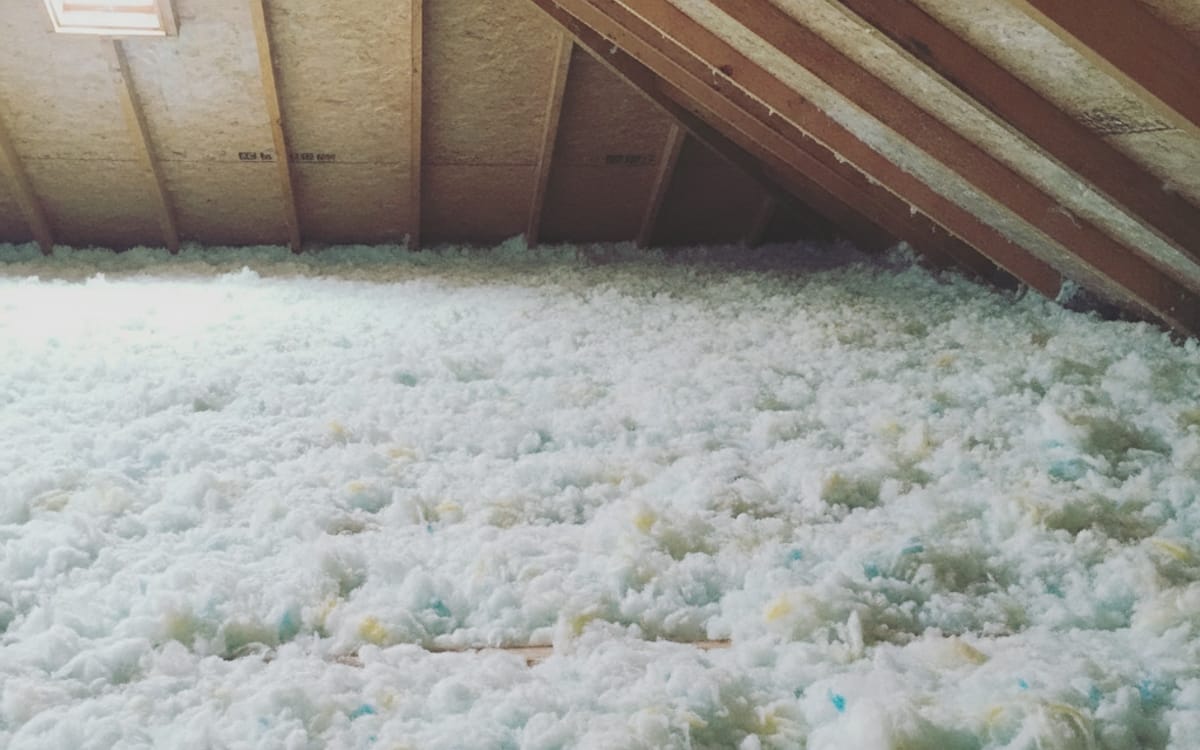 Attic insulation
The attic is where most homes leak the most heat. These are the signals that yours is due for attention.
Spaces that run hot in summer and cold in winter no matter how long the system runs.
Energy costs that climb because conditioned air escapes straight up through the attic.
Ridges of ice at the roof edge, a sign that heat is leaking into the attic and melting the snow above.
Cold drafts near ceilings and rooms that feel different floor to floor across the house.
Old batts that have flattened, settled, or thinned out to well below the depth they should be.
Trapped heat with poor ventilation that bakes the deck and shortens the life of the roof above.
We get up into the attic, check what is there, and give you a written scope with photos and a firm price before any work starts.
Request an Estimate✓Warranty terms are spelled out in your written scope. Product guarantees follow manufacturer specifications.
We get into the attic, check the insulation depth, air leaks, and ventilation.
A written plan with photos and a firm price, before any work.
Remove failed insulation and clear the space so the deck and joists are visible.
Air-seal the gaps, then add insulation to the right R-value.
Balance intake and exhaust so the deck stays healthy, then document the work.
"Bruce did a very thorough job ensuring our home is protected. Ever since we have been using Pest Proof, we have seen no evidence of moisture or pests in or outside of our home. Thanks!"
Review for Pest Proof, the parent company of Dynamic Restoration, from its verified Google Business Profile.
An estimate tells you what your attic needs, and exactly what it takes to fix it.
Insulation slows heat, but it does not stop air from moving through gaps around wiring, plumbing, and top plates. If we add insulation over open leaks, warm air keeps escaping and carries moisture with it. We seal the gaps first so the new insulation can do its job.
It depends on the home and the space, but attics in this region call for a deep layer of insulation. We measure what is there, tell you the target depth, and put it in the written scope so you know what you are getting.
Both work. Blown-in fills irregular spaces and covers gaps well, while batts suit open, easy-to-reach joist bays. We recommend the one that fits your attic and note it in the scope.
Not always. If the existing insulation is dry and clean, we can add over it. If it is wet, compressed, or contaminated, we remove it first so the new layer performs and the attic stays healthy.
It depends on attic size, how much removal is needed, and the amount of air sealing. We give you the timeline in the written scope before work starts.
 Dynamic Restoration